From Social Media to Health Media: The Next Evolution of Fitness Platforms
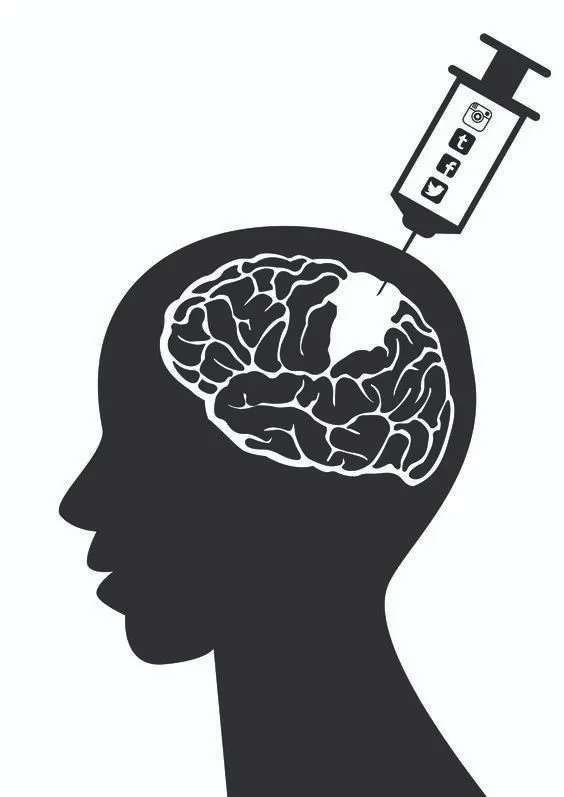
Social media promised connection. It delivered comparison. As platforms like Instagram and TikTok increasingly prioritize engagement over well-being, a new category is emerging: health media—social networks built specifically for fitness, wellness, and authentic human progress.
The Problem with Traditional Social Media for Fitness
Instagram, TikTok, and Facebook weren't designed for health and fitness. They were designed for advertising revenue, which means maximizing time-on-platform through algorithmically-curated content that triggers emotional responses.
The Vanity Metrics Trap
Traditional social platforms measure success in likes, followers, and views. For fitness content, this creates perverse incentives:
-
Highlight reels over reality: Only posting peak physique photos or PR lifts creates unrealistic expectations
-
Viral over valuable: Attention-grabbing content (extreme diets, dangerous challenges) spreads faster than evidence-based guidance
-
Comparison over progress: Scrolling through curated perfection breeds inadequacy rather than motivation
-
Influence over expertise: Follower count matters more than qualifications or results
The Algorithm Isn't Your Friend
General social platforms optimize for engagement, not outcomes. Their algorithms:
-
Prioritize controversy because it generates comments and shares
-
Surface extreme content because it captures attention
-
Bury educational posts because they don't drive clicks
-
Fragment communities by showing you content from strangers rather than people you actually train with
The result? Fitness content on traditional social media often does more harm than good.
What Makes Health Media Different
Health media platforms—like ROID—are purpose-built for fitness and wellness. The difference isn't just features; it's fundamental design philosophy.
1. Progress Over Perfection
Health media celebrates process, not just outcomes:
-
Consistency streaks matter more than single impressive lifts
-
Volume tracking shows cumulative work, not just highlight moments
-
Recovery metrics are as important as performance peaks
-
Personal records are celebrated relative to your own baseline, not others'
On ROID, the algorithm surfaces your training partner's 50th consecutive workout—not because it's viral-worthy, but because consistency deserves recognition.
2. Community Over Audience
Traditional social media creates audiences: passive consumers of content. Health media creates communities: active participants in shared journeys.
The difference matters:
-
Audiences scroll and judge. Communities engage and support.
-
Audiences follow influencers. Communities train together.
-
Audiences consume content. Communities create accountability.
On health media platforms, your feed prioritizes people you actually train with—friends, training partners, coaches you work with—not algorithmically-selected strangers.
3. Authenticity Over Aesthetics
Instagram fitness is curated perfection: perfect lighting, perfect angles, perfect bodies. Health media is real training: sweaty gym selfies, failed lifts, recovery days, and the messy reality of progress.
Why authenticity matters:
-
Realistic expectations: Seeing others struggle normalizes the difficulty of training
-
Genuine connection: Vulnerability creates stronger bonds than highlight reels
-
Sustainable motivation: Progress photos over months inspire more than transformation posts
-
Mental health: Comparison to real people is healthier than comparison to curated perfection
4. Expertise Over Influence
Traditional social media rewards follower count. Health media rewards results and knowledge.
On ROID, creators are evaluated by:
-
Program completion rates: Do people finish what you design?
-
Client results: Are people achieving their goals?
-
Educational value: Is your content backed by evidence?
-
Community engagement: Are you actively supporting your clients?
A trainer with 500 engaged clients matters more than an influencer with 500,000 passive followers.
5. Wellness Over Engagement
Traditional platforms want you scrolling endlessly. Health media wants you training effectively.
Design differences:
-
No infinite scroll: Health media encourages you to close the app and go train
-
Workout reminders: Notifications prompt action, not passive consumption
-
Recovery tracking: The platform tells you when to rest, not just when to push
-
Screen time limits: Success is measured by training consistency, not app usage
ROID's goal isn't maximizing your time in the app—it's maximizing your results in the gym.
The Data Difference: Privacy and Purpose
Traditional social media monetizes your data by selling it to advertisers. Health media uses your data to improve your outcomes.
How ROID Handles Data:
-
Your health data stays yours: We don't sell personal information to third parties
-
AI learns from you: Data improves your personalized recommendations
-
Transparent algorithms: You understand why you're seeing what you're seeing
-
Control and ownership: You can export or delete your data anytime
The business model matters. When revenue comes from empowering creators to build and sell programs rather than selling user data, incentives align with user well-being.
The Network Effect of Wellness
Traditional social media creates FOMO (fear of missing out). Health media creates momentum.
How Positive Network Effects Work:
When your training partner logs a workout, you're more likely to train. When your friend hits a PR, you're motivated to chase yours. When your coach posts educational content, you learn and improve.
This compounds:
-
Accountability loops: Visible consistency creates social pressure to show up
-
Knowledge sharing: Evidence-based information spreads through trusted networks
-
Celebration culture: Wins are shared and amplified, creating positive reinforcement
-
Challenge participation: Group goals create collective momentum
Health media turns social dynamics—often negative on traditional platforms—into drivers of positive behavior change.
The Creator Economy, Reimagined
On Instagram and TikTok, fitness creators monetize through:
-
Sponsorships: Promoting products (often of questionable value)
-
Affiliate links: Earning commissions on supplement sales
-
Course sales: Directing followers to external platforms
This model prioritizes audience size over client results.
Health Media's Creator Model:
On ROID, creators monetize by delivering value directly:
-
Training programs: Structured plans with measurable outcomes
-
Direct coaching: One-on-one or group guidance
-
Community access: Accountability groups and support networks
Success is measured by client satisfaction and results, not follower count. A creator with 100 paying clients who achieve their goals builds a more sustainable business than an influencer with 100,000 followers and no monetization strategy.
What This Means for the Future
The shift from social media to health media isn't just about fitness—it's about rethinking what social platforms should do.
Key Principles:
1. Purpose-built beats general-purpose: Platforms designed for specific outcomes (health, learning, creativity) will outperform general social networks in those domains.
2. Community beats audience: Active participation creates more value than passive consumption.
3. Authenticity beats aesthetics: Real connection requires vulnerability, not perfection.
4. Outcomes beat engagement: Success should be measured by user results, not time-on-platform.
5. Aligned incentives beat extraction: When platforms profit by helping users succeed, everyone wins.
The ROID Approach
ROID embodies these principles:
-
Fitness-first design: Every feature serves training outcomes, not engagement metrics
-
Community architecture: Your feed prioritizes people you train with, not algorithmic strangers
-
Authentic progress tracking: Celebrate real work, not just highlight reels
-
Creator empowerment: build programs, sell subscriptions, and earn from your expertise
-
Completely free for users: No paywalls, no premium tiers, no ads—just tools to help you succeed
We're not trying to be Instagram for fitness. We're building something fundamentally different: a platform where social dynamics serve wellness, not attention.
The Bottom Line
Social media optimized for engagement gave us comparison, anxiety, and endless scrolling. Health media optimized for outcomes gives us community, progress, and results.
The future of fitness platforms isn't about better filters or more viral content. It's about purpose-built networks that align social dynamics with human flourishing.
Traditional social media asked: How do we keep people scrolling?
Health media asks: How do we help people succeed?
That difference changes everything.
Ready to experience fitness-focused social? Download ROID and join a community built for progress, not perfection.
The next evolution of social platforms is here. It's not about likes—it's about lives changed.